British Airways fares to rise in attempt to offset £1.7bn fuel cost hit
Published: 27 May 2026, 1:46:00
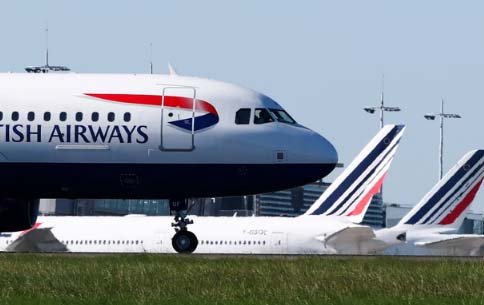
British Airways fares will rise to try to recoup most of a €2bn (£1.7bn) hit in fuel costs this year, its parent group has said, adding that the Iran war will dent profits.
The International Airlines Group (IAG) said its annual fuel bill was now expected to be about €9bn, up from the forecast €7.1bn, as 70% of its supply was hedged, shielding it from the full impact of soaring jet fuel prices since the start of the conflict.
It expects to recover about 60% of the €2bn additional fuel costs through “revenue and cost management actions”, with fare rises primarily loaded on BA rather than its sister airlines.
Luis Gallego, the chief executive of IAG, said: “Unfortunately, for example, BA that is a more premium brand, they are going to have a higher pass-through compared, for example, with Vueling.”
Recovering the €1.2bn would add an estimated 8% to BA’s fares, based on its 2025 revenues.
Gallego said the group, which also owns Aer Lingus, Iberia, Vueling and Level, was “actively managing the uncertainty created by the fuel price increase and its impact, taking the necessary action on yields, costs and capacity”.
However, he said: “The impact of the higher fuel price will inevitably lead to lower profit this year than we originally anticipated.”
Speaking as IAG reported on first-quarter trading, Gallego said the group was not experiencing any issues with fuel scarcity in its main markets, and was confident about availability through the peak summer period.
He added: “Asia was a concern but is now building up reserves – so we expect to fly everything we have in the schedule for the summer.”
Fears over fuel shortages have been compounded by airlines in the UK successfully lobbying for the ability to cancel more flights without risking valuable airport slots.
But BA’s chief executive, Sean Doyle, said his airline’s focus was to “fully, effectively redeploy capacity from markets where people aren’t travelling to, such as the Middle East, into markets where people want to travel to”.
Doyle said BA had an “advantageous resilience” if fuel shortages did affect the industry, with its own inventory and supplies.
Nicholas Cadbury, IAG’s chief financial officer, said BA believed it was in a better position than the rest of the market after making “significant investments in the UK and BA in depots and fleet”, including direct supplies from ports and refineries.
Before Friday’s warning the group had been expected to make about €5.2bn in operating profits this year, according to a consensus of analysts’ forecasts, higher than last year’s record €5bn operating profit.
Global oil prices have reached peaks of $126 a barrel as the conflict continues to weigh on markets, having stood at $72 just before the war began. On Friday, oil was trading at just above $100 per barrel.
About 2m airline seats have been cut from this month’s schedules across the industry, data released earlier this week by Cirium shows.
While only a net 111 flights have disappeared from schedules at London Heathrow, British Airways’ main base, fears persist that shortages of jet fuel could cause further summer cancellations, with UK airlines told at the weekend they could have more flexibility to consolidate flights on popular routes if needed.
International agencies have predicted that Europe faces shortages of jet fuel if the war in the Middle East continues. Analysts at Goldman Sachs said in a research note on Monday that the UK was the most exposed as the largest net importer of jet fuel in Europe
IAG said: “If the current conflict continues to restrict flows of both crude oil and jet fuel from the Middle East, there is the potential for supplies of jet fuel to be restricted on a global basis.” It said it had experienced “strong demand across most of our markets” but “softer demand” in the eastern Mediterranean.
The company reported a pre-tax profit of €422m during the three months to the end of March, up 77% on the same period a year earlier. Revenue rose 1.9% to €7.2bn.