MP Hasnat accuses many bureaucrats as agents for private energy companies
Published: 27 May 2026, 1:57:20
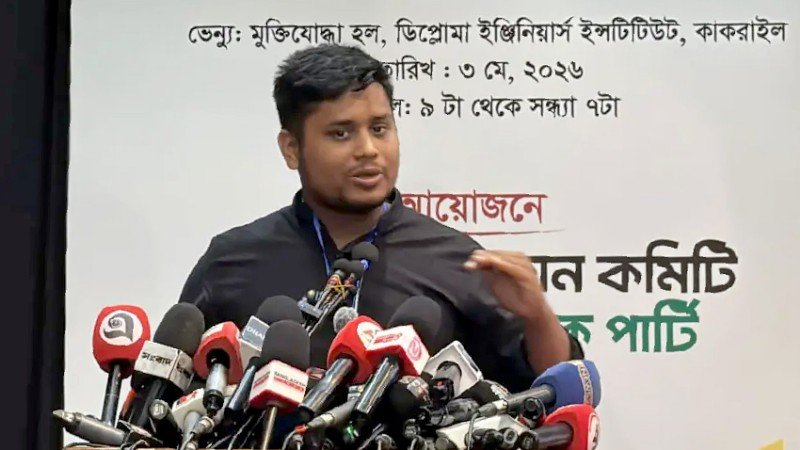
Jatiya Nagorik Party (NCP) lawmaker Hasnat Abdullah has accused numerous government bureaucrats of acting as agents for private companies, alleging that they use their official positions to manipulate state policies for corporate and personal gain.
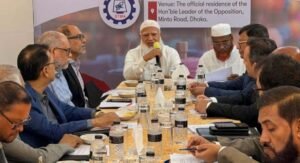
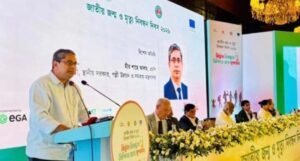
He made the remarks on Sunday while addressing a seminar titled “Energy Security: Current Crisis and Future Course of Action,” organized by the NCP’s reform implementation committee at the Institution of Diploma Engineers in the capital.
Sharing his firsthand experience as a member of a national energy committee, the NCP’s chief organizer for the southern region detailed how officials often push agendas that benefit specific energy sectors.
He explained that bureaucrats associated with liquefied natural gas persistently lobby the government to rely on LNG imports to solve the national energy crisis.
He noted a concerning trend where these same officials often secure lucrative positions in private LNG companies immediately after their retirement.
Similarly, Abdullah pointed out that officials dealing with heavy fuel oil and diesel pressure the government to increase imports from the spot market. He claimed that these bureaucrats prioritize vested corporate interests over sustainable national planning.
Beyond the energy sector, the lawmaker criticized the government for deviating from the public’s demand for comprehensive state reforms. He argued that the administration has backed away from ensuring an independent judiciary, executing a massive restructuring of the bureaucracy, and empowering a police reform commission.
According to Abdullah, the government has stalled these initiatives out of fear that losing absolute control over state institutions would weaken its ability to govern.
Highlighting the severe economic consequences of energy dependency, Abdullah warned that frequent load shedding and industrial energy shortages are severely stunting business and market growth in Bangladesh.
He contrasted the country’s vulnerable situation with that of neighboring nations like India and Pakistan, which he said have successfully diversified their energy sources and made significant strides in renewable energy.
The NCP leader observed that countries heavily invested in renewables, such as Pakistan, Kenya, and Uruguay, remained largely insulated from the global energy shocks triggered by conflicts in the Middle East.
He criticized country’s failure to develop new domestic renewable energy sources over the past 15 years, noting that while the country constructed numerous power plants, poor planning left them without reliable and affordable fuel.
Abdullah concluded by urging the government to urgently break free from its import-dependent energy model and make a decisive transition toward sustainable renewable energy.