Bangladesh, China to jointly establish vocational university
Published: 17 October 2026, 8:53:03
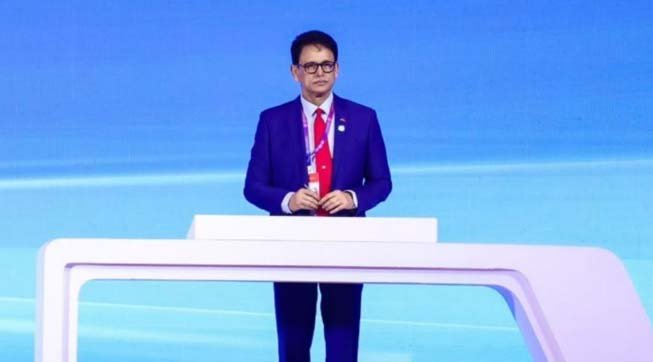
Photo: Courtesy
Bangladesh and China have agreed to jointly establish a technical and vocational university in Bangladesh as part of a broader initiative to strengthen cooperation in technical and vocational education and training (TVET).
The plan is part of a memorandum of understanding (MoU) signed by Education and Primary and Mass Education Minister Dr ANM Ehsanul Hoque Milon and Chinese Vice Minister of Education Wang Guangyan at the closing ceremony of the 2026 World Vocational and Technical Education Development Conference in Tianjin, China, on Saturday.
Under the agreement, the two countries will also upgrade eight vocational institutions in Bangladesh by introducing Chinese curricula, teaching methods and practical training models.
The initiatives aim to modernise technical education, improve students’ practical skills and create employment opportunities for Bangladeshi vocational graduates in leading Chinese enterprises.
The agreement also includes the introduction of joint 2+2 and 3+1 academic programmes, the establishment of smart classrooms and modern training facilities at technical institutes, and expanded scholarship opportunities for Bangladeshi students.
Both countries will prioritise training for Bangladeshi Chinese-language teachers and introduce more integrated “Chinese Language and Vocational Skills” courses. They will also explore the introduction of bachelor’s, master’s and doctoral programmes in Chinese Language and Literature at Bangladeshi universities.
Vocational and higher education institutions from Guangdong, Jiangxi and other Chinese provinces will serve as key partners in implementing the initiatives.
The MoU follows a high-level bilateral consultation between Bangladesh and China on October 15, during which the two sides discussed ways to expand cooperation in vocational education.
At the conference, Bangladesh also endorsed the Framework of World Vocational and Technical Education Standards, known as the Beijing Agreement, which was launched at the closing ceremony.
The framework seeks to promote internationally recognised vocational education standards that can be adapted to local needs and help countries prepare their workforces for future employment demands.
The conference, held at the Tianjin Meijiang Convention and Exhibition Centre, brought together education ministers from more than 40 countries and official delegations from over 100 nations. Other initiatives unveiled at the event included the White Paper on Vocational Education in China and the National Standard for Luban Workshops.
On Friday, Milon delivered a keynote speech at the conference’s plenary session, outlining Bangladesh’s roadmap for transforming technical and vocational education. He called on international partners to develop inclusive, employment-focused skills systems to harness the potential of young people, particularly across the Global South.
Milon said the Beijing Agreement and the bilateral MoU would jointly create momentum for Bangladesh’s skills development.
“Global vocational standards and practical bilateral cooperation will work hand-in-hand to create real-world opportunities for millions of young Bangladeshis,” he said.
Both countries expressed confidence that the agreement would strengthen bilateral relations, accelerate human resource development and contribute to inclusive and sustainable socioeconomic growth.