
Qatar prolongs LNG force majeure, Dhaka among affected buyers
Published: 28 September 2026, 10:59:53
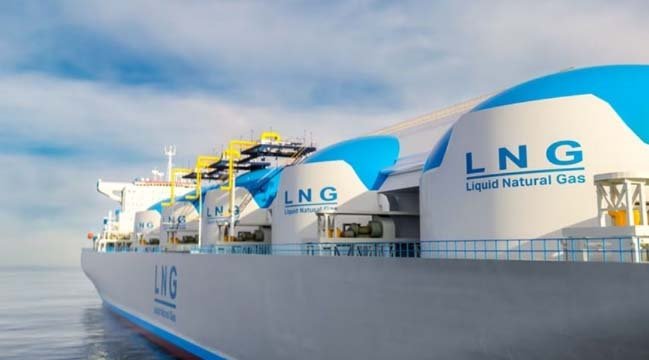
File Photo: Collected
Qatar has extended force majeure on liquefied natural gas (LNG) supplies to buyers in Asia and Europe by another month, citing disruption to fuel shipments through the Strait of Hormuz.
Cargoes scheduled for Bangladesh and Pakistan could be cancelled until November, Bloomberg and Reuters reported, citing people familiar with the matter.
State-owned QatarEnergy told buyers in Bangladesh and Pakistan this week that the cancellations would remain in place until November, according to the reports.
Two other sources said at least one Indian buyer had been given the same notice.
Separately, Italy’s Edison said its Qatari LNG supplies would remain suspended until the start of December.
QatarEnergy did not immediately comment.
Since the US-Iran war began, QatarEnergy has regularly updated customers on supply, cancelling or suspending some scheduled cargoes almost every month.
Earlier force majeure notices have been extended in stages.
Force majeure is a contractual provision under which a party may be temporarily excused from certain obligations if it cannot deliver because of war, natural disaster or other circumstances beyond its control.
Hormuz flows still below normal
Qatar has managed to raise LNG shipments through the strait somewhat this month, but volumes remain well below pre-war levels.
Roughly one-fifth of global LNG supply passed through the waterway last year, so prolonged instability threatens the wider market, not just Qatari exports.
The US and Iran have yet to reach an agreement on fully normalising traffic through the strait. Iran has recently said it will not soften its conditions for reopening Hormuz completely, while President Donald Trump has given contradictory signals at different times about a deal with Tehran.
LNG prices in Europe and Asia have risen to near their highest since late 2022.
Winter concerns
With winter approaching in the Northern Hemisphere, demand for gas for heating and power generation is set to rise.
Reduced Qatari exports could intensify competition among buyers for alternative cargoes and push prices higher still.
Higher LNG costs could eventually feed into consumer electricity and gas bills, with import-dependent countries most exposed.
Bangladesh, Pakistan and India rely heavily on Qatari LNG, and the cancellations could add pressure on their energy management.
RasLaffan output curtailed
Qatar’s production infrastructure has also been affected. RasLaffan, its main LNG export hub, was damaged in an attack in March and has since operated at reduced capacity.
QatarEnergy is reportedly keeping the facility ready to ramp up quickly once Hormuz fully reopens, though supplies may take some time to normalise even then.