
Keep cracked heels at bay this season
Published: 31 October 2026, 11:30:50
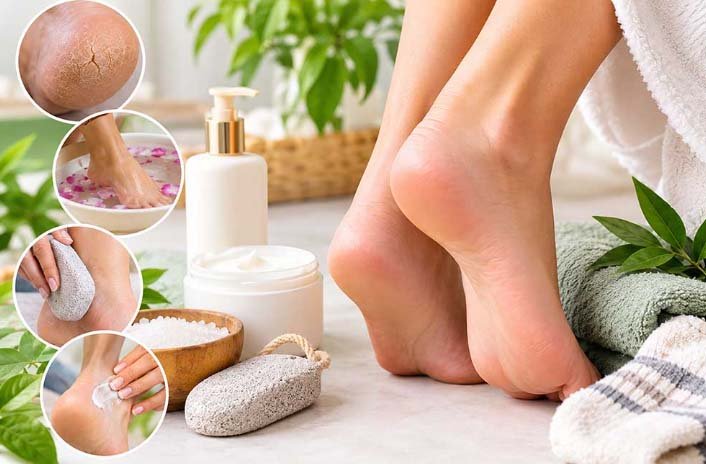
Collected Photo
As the weather begins to change, dry and cracked heels can become a common beauty concern. Cooler, drier air, reduced moisture in the skin, prolonged standing and open-backed footwear can leave the heels rough, flaky and uncomfortable. Although cracked feet may seem like a minor cosmetic problem, deep fissures can sometimes cause pain, bleeding and infection. A simple, regular foot-care routine can help keep feet soft, smooth and healthy throughout the season.
Moisturise for softer heels: Moisturising is the first step towards preventing cracked heels. Apply a thick foot cream after bathing and before bedtime, when the skin can retain moisture more effectively. Creams containing urea, glycerin or lactic acid can help soften thick, dry skin. Petroleum jelly is another useful option for locking in moisture overnight. After applying it, wear a pair of clean cotton socks to help keep the feet hydrated.
Soak and exfoliate gently: A short soak in lukewarm water can help soften hardened skin. After five to ten minutes, gently use a foot file or pumice stone to remove some of the thickened skin. Avoid aggressive scrubbing, sharp blades and cutting tools, as these can damage the skin and increase the risk of infection. Dry the feet thoroughly, especially between the toes, before applying moisturiser.
Choose the right footwear: Footwear plays an important role in heel care. Shoes with cushioned soles and supportive heel counters help reduce pressure on the heels. Avoid wearing open-backed sandals for prolonged periods if they worsen cracking. Well-fitting footwear and moisture-absorbing socks can help protect the skin from friction and dryness.
Follow a simple nightly routine: Consistency is more effective than occasional intensive treatments. Wash the feet with lukewarm water and a mild cleanser, pat them dry and apply a rich moisturiser every night. Avoid very hot water and harsh soaps, which can strip the skin of its natural oils. Staying hydrated and maintaining a balanced diet also support overall skin health.
Know when to seek help: If cracks become deep, painful, swollen, red or begin to bleed, consult a healthcare professional. People with diabetes, poor circulation or reduced sensation in their feet should avoid self-treating cracked heels and seek medical advice early. Persistent dryness and cracking may also be associated with eczema, fungal infections or other skin conditions.
With regular moisturising, gentle care and suitable footwear, cracked heels can be managed before they become a bigger problem. A little attention each day can keep feet comfortable, healthy and ready for the season.