
Green chilli imports resume thru Hili port after more than 8 months
Published: 03 August 2026, 9:10:04
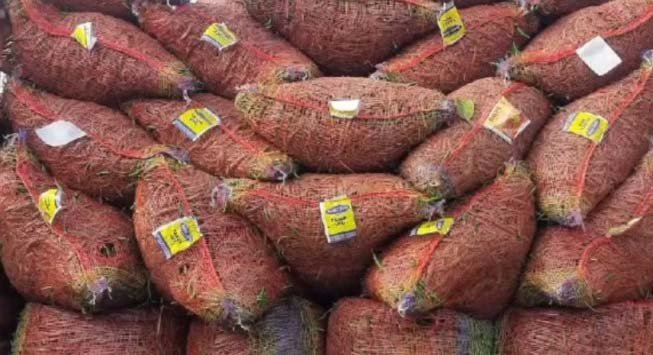
Photo: Collected
Bangladesh resumed imports of green chillies from India through Hili Land Port on Monday after a suspension of more than eight months, as the government moved to boost supplies and rein in soaring domestic prices.
The first three truckloads of Indian green chillies entered the country through the northern border crossing at around 4pm, following the government’s approval of fresh import permits.
The impact was immediate, with retail prices in the local market falling from Tk280 per kg in the morning to Tk250 by the afternoon. Traders expect prices to decline further as larger volumes reach wholesale and retail markets in the coming days.
According to Hili Land Port authorities, 69 importers have received permits to import around 29,710 tonnes of green chillies. Customs and quarantine clearance is being expedited to ensure the perishable commodity reaches markets without delay.
The imports resumed after weeks of sharp price volatility caused by supply shortages following heavy monsoon rains that damaged chilli fields in several producing districts. Farmers have been selling green chillies at Tk100-120 per kg, while consumers in major cities have been paying Tk350-400 per kg after multiple layers of distribution and trading margins.
Market participants said the prolonged import suspension widened the supply gap during the lean production season, when domestic availability typically declines. Although Bangladesh produces more green chillies annually than its estimated domestic demand, seasonal production patterns and the crop’s highly perishable nature often create temporary shortages during July and August, according to industry observers.
Importers believe retail prices could fall below Tk100 per kg within weeks if imports continue uninterrupted and supplies normalise.
The government approved fresh import permits on Sunday after green chilli prices reached record highs, with officials expecting imports from India to help stabilise the market and ease pressure on consumers.
Agricultural officials have also announced longer-term initiatives to reduce seasonal dependence on imports, including expanding off-season cultivation through protected farming techniques and improved water management systems.