Underutilized Health Budgets Cannot Justify Neglecting Anti-Hypertensive Medicine Financing
Published: 01 June 2026, 2:47:37
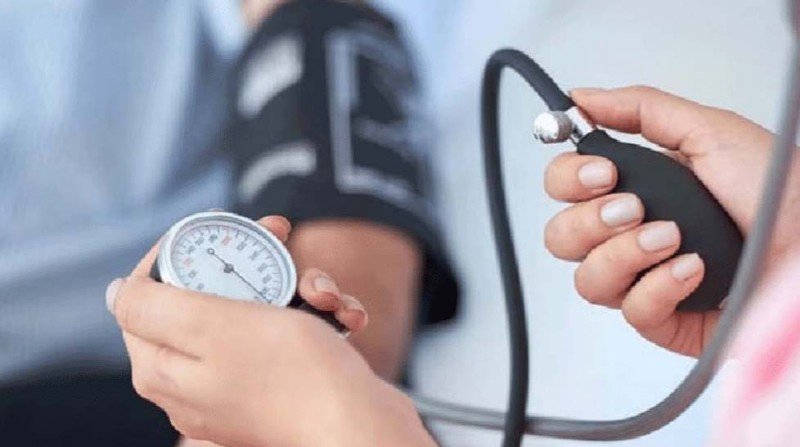
Hypertension has quietly emerged as one of Bangladesh’s most serious public health threats. According to the Bangladesh NCD STEPS Survey 2022, around one in four adults in the country, or 23.5 percent, is living with hypertension. World Health Organization’s 2025 report presents an even more worrying picture: almost half of adults with hypertension remain unaware of their condition, only 39 percent receive treatment, and just 16 percent have their blood pressure under control. In other words, millions of people across the country are facing not only a high disease burden, but also a serious treatment gap.
The consequences are already visible. Uncontrolled hypertension significantly increases the risk of stroke, heart disease, kidney failure and premature death. WHO estimates that in 2024, cardiovascular diseases caused around 283,800 deaths in Bangladesh, with hypertension contributing to more than half of these deaths. Despite this growing crisis, however, sustainable financing for anti-hypertensive medicines remains inadequate.
Whenever increased allocation for anti-hypertensive medicine supply is proposed, policymakers and budget analysts often raise a familiar concern: The Ministry of Health fails to spend its allocated money, and a significant portion of the health budget remains unspent every year. While this argument may appear reasonable on the surface, it creates a misleading impression about how the health budget actually functions and where underutilisation truly occurs.
To understand why this argument is flawed, it is necessary to look at how limited Bangladesh’s health spending already is. The country’s health sector allocation has long remained around 5 percent of the national budget and below 1 percent of GDP. The health allocation for FY2025-2026 is only 5.3 percent of the national budget and 0.67 percent of GDP, increasing by just 0.1% from the previous fiscal year.
The imbalance becomes even more striking when NCD financing is examined closely. Despite non-communicable diseases accounting for around 71 percent of total deaths in the country, only about 4.2 percent of the health budget is spent on NCD prevention and control. Per capita allocation for NCDs is also extremely low, at around USD 0.08 per year, far below the WHO-recommended USD 1.50. As a result, the diseases responsible for the majority of deaths continue to receive only a very small share of public health resources.
The real issue, therefore, is not simply whether the health ministry can spend money. The more important question is: which parts of the budget remain underutilised, and which areas urgently require protected financing?
In reality, the most commonly unspent portions of Bangladesh’s health budget are linked to development expenditures. Centre for Policy Dialogue’s (CPD) analysis shows that overall health budget utilisation declined from 94 percent in FY2014 to 80 percent in FY2024. Development budget utilisation fell from 90 percent to 75 percent during the same period, while non-development utilisation remained relatively higher at 82 percent. These figures suggest that the bigger bottlenecks are often found in infrastructure construction, medical equipment procurement, foreign-aided projects and large reform initiatives.
Delayed tender processes, bureaucratic approval barriers, weak project planning, shortage of skilled management personnel, and import complications are among the major reasons behind these unspent allocations. These are undoubtedly structural problems, but they are fundamentally different from the financing needs of essential medicines.
In contrast, the demand for essential medicines, including anti-hypertensive drugs, is continuously rising. Bangladesh’s health system is already witnessing increased expenditure on medicines, vaccines, and medical consumables because of growing public demand. In fact, operational expenditures, including medicine procurement, have become increasingly central to the health budget in recent years. This reflects a simple truth: medicines are not optional development luxuries; they are the backbone of everyday healthcare delivery.
Although the government decided to provide anti-hypertensive drugs across Community Clinics, implementation has been slow and supply remains irregular in many areas. As a result, many patients, especially poor and rural populations, still cannot access free anti-hypertensive medicines consistently.
For hypertension patients, treatment interruption can be devastating. Hypertension is not a disease that can be treated occasionally; it requires uninterrupted, lifelong management. Missing medicines for weeks or months can significantly increase the risk of stroke, heart attack, kidney disease, and premature death. This is precisely why the FY 2026-2027 medicine budget should be based on projected patient need, expected treatment expansion and uninterrupted monthly supply.
Research also shows that investment in hypertension screening and treatment is highly cost-effective: every taka spent can generate nearly eighteen takas in benefits by preventing costly complications and improving productivity.
Beyond the public health consequences, the economic implications are equally alarming. Treating advanced cardiovascular complications costs far more than preventing them through affordable anti-hypertensive medicines at the primary healthcare level. A single stroke patient may require expensive hospitalization, surgery, rehabilitation, and long-term care-costs that can push families into poverty while placing enormous strain on the national health system.
Bangladesh must therefore move beyond the simplistic narrative that “the health ministry cannot spend its budget.” Delays in infrastructure projects cannot become an excuse to underfund lifesaving medicines. Infrastructures, buildings, and equipment are important, but they cannot replace uninterrupted access to essential treatment for millions of hypertension patients.
What Bangladesh needs now is a smarter redistribution of underutilised health resources toward high-priority, high-impact areas. Protected and sustainable financing for antihypertensive medicine supply should be a clear priority in the FY2026-27 budget. This requires stronger forecasting systems, improved procurement efficiency, better logistics management, and increased allocation for essential medicines at primary healthcare facilities.
Unspent health budgets should not remain trapped in delayed projects while patients go without basic, lifesaving medicines. Redirecting even a small portion of underutilised funds toward anti-hypertensive drug supply would save lives, reduce future healthcare costs and strengthen national productivity.
Hypertension is no longer a silent disease; it is a growing national crisis. Sustainable financing for anti-hypertensive medicines is not a luxury that Bangladesh can overlook. It is an urgent public health necessity- and a practical way to make the health budget work better for the people who need it most.