
Rayner warns immigration reforms risk being ‘un-British’
Published: 18 March 2026, 5:39:26
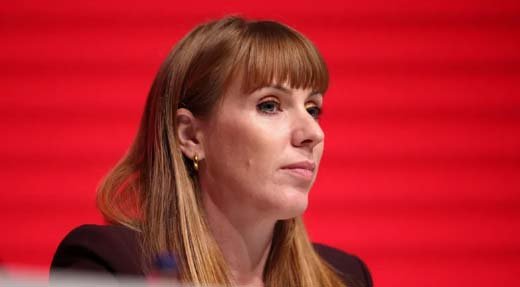
Angela Rayner has warned government proposals to make it harder for migrants already in the UK to settle permanently are “un-British” and a “breach of trust”.
Ministers want to double the time it takes most migrant workers to qualify for permanent residence from five years to 10 years, while in the case of refugees it could take 20 years.
Rayner’s criticism of the plans came during a speech in which she also suggested the public view Labour as having “represented the establishment”.
The speech, which represents one of her most significant interventions, will reignite speculation that the former deputy PM is preparing to challenge Prime Minister Sir Keir Starmer for the top job.
Addressing the Mainstream group, a centre-left organisation associated with Labour, Rayner also warned the “very survival of the Labour Party is at stake”, saying it “cannot just go through the motions in the face of decline”, adding: “We’re running out of time.”
On the changes to migration proposed by Home Secretary Shabana Mahmood, she said there are people who now “fear for their future” due to the prospect of the government “moving the goalposts”.
Mahmood has described the reforms as “fair” and required to avoid a “drain on our public finances”.
Rayner’s intervention, which came on Tuesday evening, is considered part of efforts to encourage the prime minister to move his policy platform to the left following defeat to the Green Party at last month’s Gorton and Denton by-election.
Speaking to BBC Radio 5 Live, Cabinet Office Minister Nick Thomas-Symonds said he had not read the speech but that the “impatience to deliver change is shared right across government”.
Asked if he thought Rayner would make a better leader, he said Sir Keir had shown “fine leadership” and was “absolutely the person to lead our country”.
Greater Manchester Mayor Andy Burnham told BBC Radio 4’s Today programme, he understood where Rayner was “coming from” and that Labour “would do well to listen to what Angela has to say”.
However, he added: “To be fair there was a big sign of a real response yesterday from the chancellor of the exchequer who I thought made an excellent speech and signalled a radical shift away from the status quo by putting forward a plan for fiscal devolution.”
On Rayner’s criticism of changes to immigration, Burnham, pointing to a fall in net migration, said: “I do think the government has a story to tell here and it needs to tell it more effectively.
“I think the government really needs to point to that to then allow some breathing space for a considered debate on the proposals around changes to the immigration system,” he said as he expressed his own concerns about a policy to make refugee status temporary.
Settlement, also known as indefinite leave to remain, gives a person the right to live, work and study in the UK for as long as they like and apply for benefits if they are eligible.
The Home Office has said its figures show net migration – the difference between those entering and leaving the country – added 2.6 million people to the UK population between 2021 and 2024.
The department, in its consultation on making changes, forecast around 1.6m people could therefore settle between 2026 and 2030.
Rayner said Labour must show it can “make the system work for working people” and enforce a “fair deal”.
But she warned this should not involve “ripping up a deal halfway through” for migrants who are contributing to the economy and the country.
Rayner, who resigned after admitting she underpaid tax after buying a flat in Hove, said: “The people already in the system, who made a huge investment, now fear for their future – they do not have stability and do not know what will happen.
“We cannot talk about earning a settlement if we keep moving the goalposts.
“Because moving the goalposts undermines our sense of fair play. It’s un-British.
“Let us be a country that has sustainable economic migration rules, but one that upholds the British values we want all who live here to respect.”
‘Privilege’
The government’s proposed changes would extend the standard wait to qualify for settlement to 10 years, although there would be criteria which could lengthen or shorten it.
The changes would not apply to people who have already obtained settlement.
Mahmood has faced opposition from some Labour MPs to the proposals, which are part of wider immigration reforms.
The home secretary, appearing before the Home Affairs Committee last month, said settlement in the UK is a “privilege not a right”.
She told MPs: “I think at five years that’s actually quite a short period before people can be permanently settled in the country with all of the benefits that that brings.”
“I think it’s right therefore that we extend it.”