
Celebrating International Mother Language Day in Costume
Published: 23 February 2026, 8:15:39
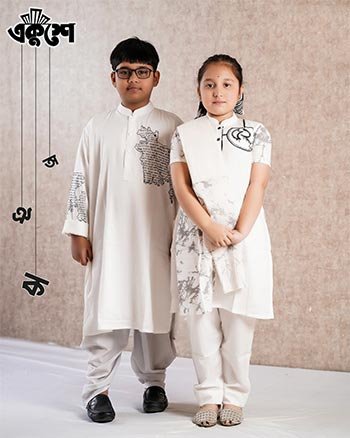
Every year on February 21, International Mother Language Day arrives with a quiet yet powerful reminder: language is not only how we speak, but also how we live, dress, and express who we are. Across Bangladesh and beyond, the day is observed with solemn respect, cultural pride, and creative expression. In recent years, one of the most vibrant ways people have chosen to mark the occasion is through costume-transforming fashion into a moving tribute to linguistic heritage.
The significance of International Mother Language Day, recognized by UNESCO, lies in honoring linguistic diversity and the historic struggle to preserve the right to speak one’s mother tongue. Costume celebrations add a deeply personal and visual layer to this meaning. When individuals dress in attire inspired by their cultural roots, they are not simply wearing clothes-they are wearing stories, memories, and identity.
Traditional garments take center stage during these celebrations. Sarees in shades of red and white, symbolizing both sacrifice and purity, remain timeless favorites. Handloom fabrics, muslin textures, jamdani motifs, and intricate embroidery reflect centuries-old craftsmanship. For men, panjabis, kurtas, and traditional jackets adorned with subtle patterns or calligraphic motifs inspired by Bangla letters are increasingly popular. These designs beautifully merge fashion with language, turning alphabets into art.
What makes costume-based celebrations particularly meaningful is their inclusivity. Children dress in miniature traditional outfits, often carrying placards with Bangla letters or verses from poems. Young adults experiment with fusion styles-pairing ethnic wear with contemporary silhouettes-while elders prefer classic, elegant ensembles. Together, these generational expressions create a living tapestry of continuity, showing how heritage evolves without losing its soul.
Accessories also play a vital role in completing the look. Jewelry crafted from clay, wood, or silver, floral hair adornments, and handmade scarves enhance the cultural aesthetic. Many people choose to wear pins or badges featuring Bangla alphabets or slogans promoting linguistic pride. Even footwear and handbags are being customized with calligraphy, turning everyday items into symbolic statements.
Beyond aesthetics, celebrating in costume encourages storytelling. Each outfit invites conversation: where the fabric comes from, what the motif represents, and why a certain color or design was chosen. In this way, fashion becomes an educational tool, sparking curiosity about history, literature, and cultural traditions. Schools, universities, and community organizations often organize costume parades or cultural walks, allowing participants to showcase their attire while sharing the narratives behind them.
Social media has further amplified this trend. Photos of people in thoughtfully curated outfits flood timelines, accompanied by captions celebrating language, heritage, and unity. This digital visibility helps spread awareness globally, reminding the world that linguistic diversity is something to be cherished, not taken for granted.
Ultimately, celebrating International Mother Language Day in costume is about more than dressing up. It is an act of remembrance, respect, and resilience. It honors those who fought for the right to speak their mother tongue and inspires new generations to protect that legacy. When fabric meets language, and fashion meets history, the result is a powerful expression of identity-one that speaks louder than words.
In a world that is rapidly globalizing, such celebrations gently remind us of where we come from. And on this special day, through colors, textures, and timeless designs, we wear our mother language with pride-close to the heart, and visible to all.