Doctors concerned as adults hospitalised with measles symptoms in Sylhet
Published: 03 June 2026, 2:04:44
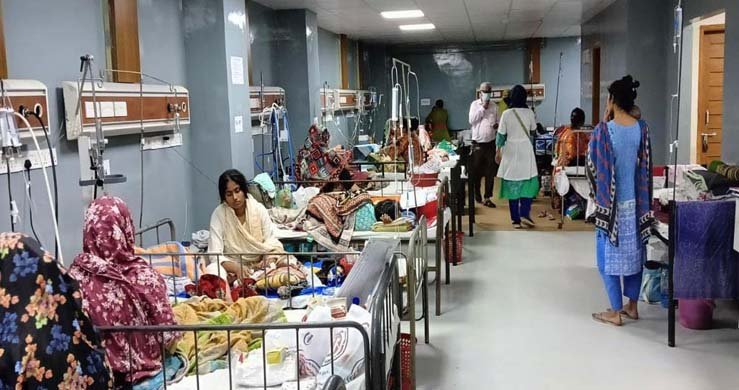
A growing number of adult patients have been admitted to Sylhet hospitals with measles symptoms, a trend that has raised concern as the outbreak continues across the division.
While measles is typically considered a children’s disease, physicians say they are increasingly treating teenagers, young adults, and some elderly patients.
Recovery rates among adults, however, appear higher than among children.
According to the Directorate General of Health Services (DGHS), 61 children had died with measles symptoms in Sylhet Division as of Tuesday.
A 22-year-old midwife, Jerin Sultana, also died on Monday.
SM Sajjadul Haque, a physician at Shahid Shamsuddin Ahmed Hospital, said hospitals were seeing a steady flow of adult patients.
“Older patients are coming to the hospital. Every day, five to seven people are admitted, sometimes as many as 10 to 12, and many are later discharged,” he said.
“We did not initially expect to see so many older patients because measles is generally a childhood illness. We knew adults could be affected, but the number of cases seems unusually high.”
According to a report from the DGHS divisional office in Sylhet, 67 people were admitted to hospitals across the division with measles symptoms in the 24 hours between 8am Monday and 8am Tuesday.
265 patients are currently receiving treatment at public and private hospitals.
From Jan 1 to Tuesday, authorities recorded 165 laboratory-confirmed measles cases in Sylhet Division.
The report said 58 people had died with measles symptoms, while four deaths were confirmed as resulting from measles.
Sajjadul said most patients being admitted were aged between 15 and 22.
“We have spoken to them about vaccination and tried to understand their immunity status. Most were born around 2000, so they should have received vaccines. However, most do not know much about their immune status.”
Asked whether the infections among older patients could indicate a different form of the disease, he said the symptoms remained consistent with measles.
“Adult patients first develop a fever, followed by a rash and cough. Three or four days later, most develop diarrhoea, often severe. Around 90 percent of adult patients are arriving with diarrhoea,” he said.
He urged greater public awareness to curb the outbreak.
“People should wear masks and take precautions. Adults with fever should isolate at home and avoid going out. At the same time, it is essential that young children receive their vaccinations. There is no alternative to vaccination in controlling measles.”