
Want a healthy iftar? Ditch the sugary sweets for these options
Published: 10 April 2026, 8:45:04
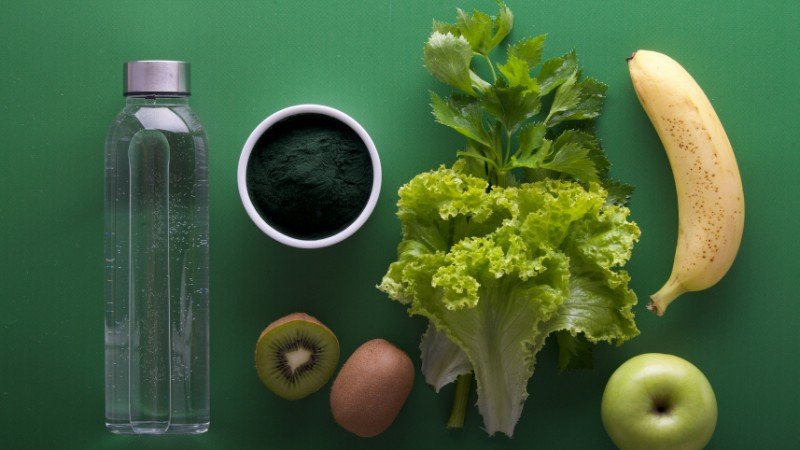
One of the most anticipated moments of Ramadan in many homes is iftar and its preparation. After a long day of fasting and prayers, naturally, everyone wishes to break their fast with their desired foods.
However, to keep ourselves healthy this Ramadan, it’s essential for our iftar menus to focus on what the body needs for its recovery instead of what solely tastes good on the palette. Don’t worry, this is not another list of things you already know; this one might surprise you.
Hydration
Almost every fasting individual has been told about how crucial drinking water during iftar is, and of course that remains true, but there are some other options that can assist with the role of hydration during iftar besides just drinking water.
Cucumbers are one of the most hydrating foods, with their composition being over 90 per cent water. They are available in our local markets almost all year round, and should be a great addition to everyone’s iftar menus this Ramadan.
It might come as a surprise to some, but lettuce is also an extremely hydrating vegetable, with its water content being nearly the same as that of cucumbers. It might be difficult to incorporate cucumbers everywhere, but lettuces are much more diverse, and can be added to a variety of items, from salads to wraps and much more.
Sweet cravings
As the first meal of the day after breaking the fast, iftar many people tend to crave something sweet.
While such cravings are commonly met by jilapi and other sugary sweets, that is not what the body is truly asking for. The body requires items that won’t lead to a sugar spike followed by crash. Foods like oranges, dates and chia seeds can assist here.
Dates have been the oldest occupant of iftar menus across the world, and for good reason. Though small in size, dates should not be ignored as they have a very high sugar and fibre content. Since the sugar is natural, it allows healthy absorption in the body and the fibres aid digestion after a long day of fasting.
Oranges are also a great source of natural sugar. They may not have been very common during iftar, especially for Ramadans in summer, but this year, that is about to change, and what good news that is. Not only do oranges have high water and Vitamin C content, but they’re also high in fibre, making them easy to digest.
While not sweet on their own, chia seeds can be incorporated with other sweet items in many ways to make those items healthier. They are an excellent source of fibre and hydration for iftar, as they also absorb large amounts of water and aid digestion. They can be added to a variety of different desserts with yoghurt, peanut butter, and literally any other ingredient, or used as a “topping” too.