Jamaat ameer welcomes PM’s canal excavation programme
Published: 16 March 2026, 4:39:14
File Photo
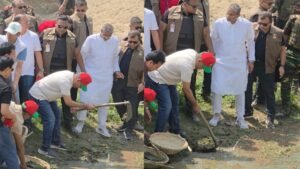
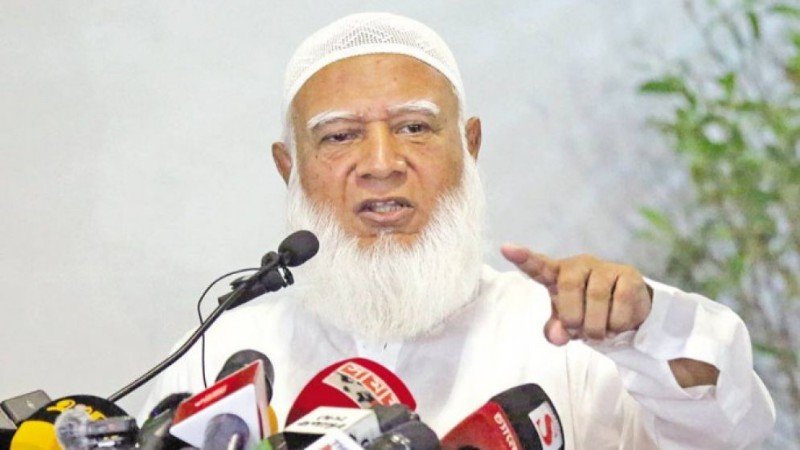
Bangladesh Jamaat-e-Islami Ameer and opposition leader Shafiqur Rahman has welcomed the government’s canal excavation programme, stressing the importance of restoring the navigability of the country’s rivers to ensure long-term environmental and economic benefits.
In a Facebook post, he said Bangladesh was once widely known as a riverine country, where rivers played a vital role in transportation, trade, agriculture, fisheries and maintaining ecological balance.
Proper water flow in rivers previously helped reduce the frequency of floods and related suffering, he noted.
However, he said that since independence, factors such as the impact of the Farakka Barrage and the encroachment and filling of major rivers, canals and wetlands have significantly reduced water flow.
As a result, many rivers can no longer hold sufficient water during the monsoon, contributing to early flooding, while in the dry season they often resemble deserts.
He also said that disrupted water flow during the rainy season has led to waterlogging in major cities and towns, while during the dry season many areas face water shortages affecting agriculture and river transport.
Shafiqur emphasised that restoring navigability through proper dredging of major rivers should be treated as a national priority.
He urged the government to take effective initiatives to revive rivers in the interest of protecting the country.
He further alleged that in the past, budget allocations for dredging and river management did not produce expected results due to lack of transparency and mismanagement.
He stressed that transparency is essential in all development activities and that public funds must be used properly for the benefit of the people.
The Jamaat leader also noted that the benefits of canal excavation would only be realised if the rivers connected to those canals regain their navigability.
Otherwise, he warned, the expected benefits of such projects may not be achieved.
He concluded by emphasising the need for accountability and effective implementation of river restoration programmes to ensure sustainable outcomes.