
Strong UK pay growth could limit interest rate cuts, Bank policymaker warns
Published: 24 January 2026, 7:20:30
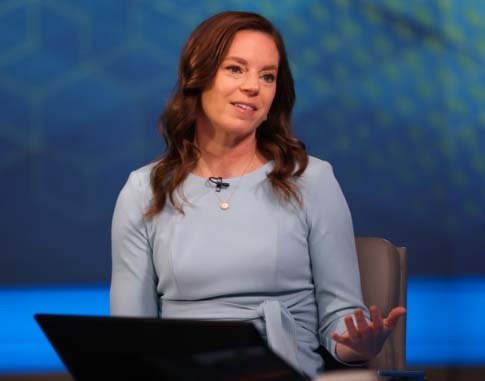
The Bank of England may not be able to lower interest rates as much as expected this year, due to strong UK pay growth and expected rate cuts in the US, one of its top policymakers has said.
Megan Greene, a member of the Bank’s monetary policy committee (MPC), which sets interest rates in the UK, said she was concerned that wages appeared to be growing strongly again this year and this could stop inflation from easing.
In a speech in London at the Resolution Foundation, a leading thinktank, Greene said a decline in wage growth “may have run its course”, pointing to recent Bank of England surveys that suggest employers are planning to hand out pay rises of 3.5% or more this year.
The latest official figures showed wage growth, excluding bonuses, weakened slightly to 4.5% between September and November, from 4.6% in the previous three months.
The MPC has a target for inflation of 2%, but figures released this week showed it reached 3.4% in December, up from 3.2% in November. Consistent wage growth tends to push up inflation if there is not a corresponding rise in productivity growth, and Greene said she was “certainly sceptical” that productivity would rebound this year.
Greene said the MPC’s decision on when next to lower borrowing costs would also be affected by whether the US Federal Reserve lowered rates, as this could cause inflation in the UK to rise.
“If the Fed were to cut rates more aggressively than the Bank this year, this should cause US demand for UK exports to rebound, providing upward pressure on UK inflation,” she said.
Greene’s warning comes as a separate report from the Bank concluded that it had consistently underestimated the full effects of inflation that came after the energy price shock of 2022 due to Russia’s full-scale invasion of Ukraine.
“After 2022, the Bank’s medium-term inflation and wage growth forecasts proved repeatedly too low,” the central bank said in its first ever forecast evaluation report.
The report found that the Bank’s models had not anticipated the extent to which higher inflation in 2022 then led to households and businesses having higher inflation expectations, leading them to push for higher wages, which in turn added to further inflation pressure.
The Bank said it would try to improve its “modelling and understanding of key economic mechanisms, including the labour market, wage-price interactions and inflation expectations” to better understand the recent “inflation persistence”.
A separate, closely watched survey of activity among UK businesses showed that companies were reporting a sharp rise in costs in January, with the overall pace of inflation unchanged from December’s seven-month high.
The purchasing managers’ index, from S&P Global, showed businesses in manufacturing and services sectors were “overwhelmingly” linking rising costs to “elevated wage pressures”, alongside rising transport bills and raw material prices from suppliers.
These cost pressures had led firms to make the greatest increase to their own prices in more than a year, it said.
The survey also showed a “steep loss” of jobs among many of its respondents, especially in the hospitality sector. Many companies attributed the job cuts to the government’s introduction of higher national insurance contributions and increases to the “national living wage”.
The survey has led City economists to reduce their expectations of the MPC making two interest rate cuts this year, with the first quarter-rate cut now not expected until June. The current base rate is 3.75%, after four cuts by the MPC in 2025.
However, the survey showed a reading of 53.9 in January, up from 51.4 in December at a 21-month high. A score over 50 indicates growth.